Mental Health Blog.
Education goes a long way in terms of understanding and addressing mental health issues. Being the most common types of health concerns in America, we invite you to explore our blog all about mental heath.

10 Common Myths About Eating Disorders Debunked
Eating disorders are often misunderstood, leading to harmful stereotypes and misconceptions. With the abundance of misinformation surrounding food and healthy eating, it can be challenging to grasp the severity of eating disorders. Let’s break down the most common...

Breaking the Stigma: How We Can Support Mental Health Awareness
Despite major headways in understanding and acceptance of mental illness, stigmas against mental health continue to be a prevalent issue today. Historically misunderstood, mental health — and by extension, mental health treatment — is rife with misconceptions and has...

Anorexia Nervosa vs. Bulimia Nervosa: How Are They Different?
Anorexia nervosa and bulimia nervosa are two of the most common eating disorders. While similar behaviors characterize both, some differences are important to highlight. Let’s break down some key definitions, differences and similarities between anorexia nervosa and...

Ambien vs. Trazodone: A Comprehensive Comparison
Ambien and Trazodone are prescription medications commonly used to treat insomnia, but they achieve sedation through different mechanisms. As a result, they may have different side effects and interactions with other substances. Let’s explore what these medications...

Undiagnosed Mental Illness: What You Should Know
Undiagnosed mental illnesses are slow and silent killers. The National Institute of Mental Health reports that nearly one in five U.S. adults live with a mental illness, yet many remain undiagnosed. Here’s what you should know about the prevalence of undiagnosed...

7 Benefits of Mental Health Rehab
While we often associate “rehab” with substance abuse, many mental health rehabilitation programs exist. Whether it is substance abuse or mental illness, these programs have the same goal: to help you overcome your mental health challenges. Mental health, psychiatric,...

5 Tips on How to Get Off or Switch Benzodiazepines
Benzodiazepines are a highly potent class of medication and it’s quite common for patients to experience withdrawal symptoms. The most common strategy for getting off benzodiazepines is what’s known as tapering. Tapering is the act of gradually decreasing the...

Co-Occurring Disorders: The Connection Between Mental Illness & Addiction
Mental illness and addiction are two complex and interrelated conditions that often coexist within a person. The presence of both at the same time is known as co-occurring disorders or dual diagnosis. The connection between these two conditions is multifaceted with...
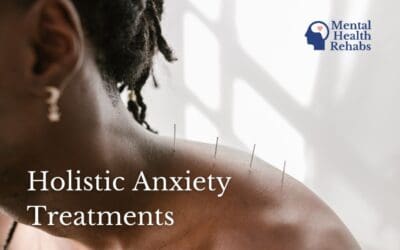
9 Holistic Treatment Options for Anxiety
Anxiety is one of the most common mental illnesses among Americans, affecting over a third of adults at some point in their lives. Prescription drugs like benzodiazepines are effective and fast-acting which has made them a popular solution that’s frequently prescribed...

5 Ways Yoga is Beneficial for Your Mental Health
Yoga is an ancient practice that combines physical movement and mindfulness. It’s a low-impact exercise that can help tone and strengthen your body but can also provide incredible benefits for mental health that can rival (and in some cases, exceed) the ability of...

How do Benzodiazepines Work?
Benzodiazepines, or “benzos”, are a class of medications commonly prescribed to treat anxiety disorders, insomnia, muscle spasms, and seizures. These medications work by targeting specific receptors in the brain, resulting in therapeutic effects similar to those of...
Is Borderline Personality Disorder More Common Among Women?
Borderline Personality Disorder (BPD) has been a topic of extensive research and discussion in the mental health community. One area of particular interest is the apparent gender divide, with studies suggesting a higher prevalence of BPD among women. But is this truly...
Don’t Struggle Alone.
Get Help Today.
Reaching out for help for yourself or a loved one can be overwhelming and stressful, but it doesn’t have to be. If you are struggling to find the right help, or even know where to get started, please feel free to call our 24/7 helpline.
Begin your mental health journey right now!