Desvenlafaxine (Pristiq).
What is Desvenlafaxine (Pristiq)?
Desvenlafaxine is a prescription medication belonging to the class of drugs known as serotonin-norepinephrine reuptake inhibitors (SNRIs). It is the primary active metabolite of venlafaxine (Effexor). SNRIs are thought to work by increasing the activity of serotonin and norepinephrine in the brain, helping to improve mood and reduce symptoms of depression.
Conditions Treated with Desvenlafaxine
The primary indication for Desvenlafaxine (Pristiq) is the treatment of Major Depressive Disorder (MDD) in adults. While its approved use is for MDD, healthcare providers may sometimes prescribe it “off-label” for other conditions if they deem the potential benefits outweigh the risks, particularly when other treatments have not been effective.
Major Depressive Disorder (MDD)
Also known as clinical depression.
How Does Desvenlafaxine Work?
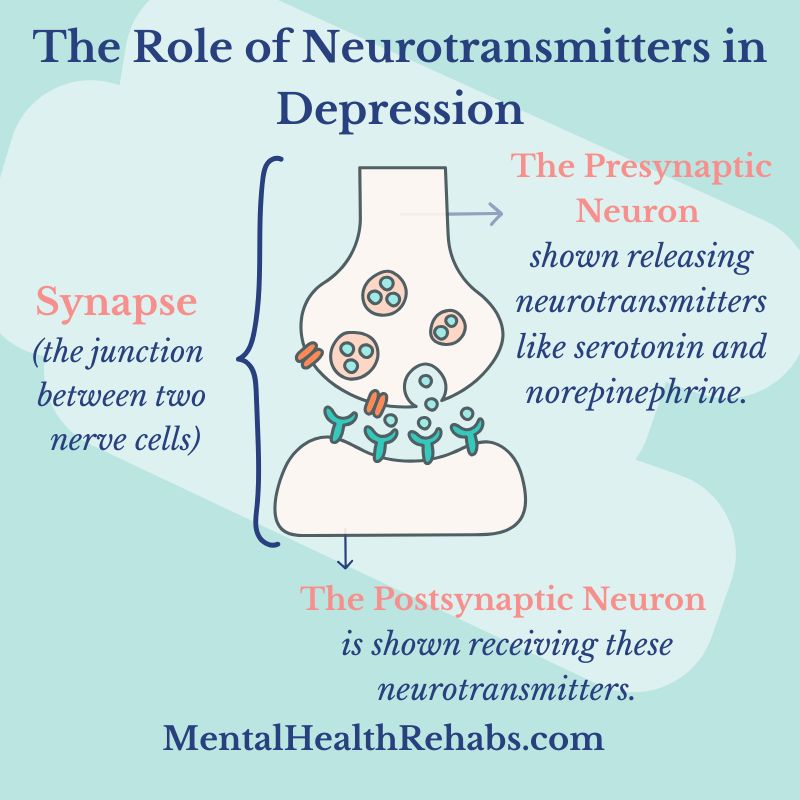
Desvenlafaxine works by blocking the reuptake of two important neurotransmitters: serotonin and norepinephrine. Neurotransmitters are chemical messengers that transmit signals between nerve cells in the brain.
By blocking their reuptake, Desvenlafaxine increases the availability of serotonin and norepinephrine in the synaptic cleft, which is believed to enhance communication between brain cells and ultimately help regulate mood, emotions, and behavior. This action helps to alleviate symptoms associated with depression.
Dosage and Administration
Desvenlafaxine is typically taken orally as an extended-release tablet, once daily, with or without food, at approximately the same time each day. The recommended starting and therapeutic dose for adults with MDD is generally 50 mg once daily. Tablets must be swallowed whole and should not be divided, crushed, chewed, or dissolved, as this can affect the extended-release mechanism.
Dosage adjustments may be necessary for individuals with moderate to severe kidney or liver impairment. It’s crucial to follow your doctor’s specific instructions regarding dosage and administration, and never adjust your dose or stop taking the medication without consulting a healthcare professional. Improvement in symptoms may take several weeks, and continuous therapy is often required for sustained benefits.
Risks & Side Effects of Desvenlafaxine
Common Side Effects
-
Nausea
-
Dizziness
-
Insomnia or trouble sleeping
-
Increased sweating (hyperhidrosis)
-
Constipation
-
Decreased appetite
-
Drowsiness or fatigue
-
Anxiety
-
Dry mouth
-
Sexual dysfunction (e.g., decreased libido, delayed ejaculation or orgasm)
-
Headache
Serious Side Effects (Seek medical attention immediately if you experience any of these):
-
Suicidal Thoughts and Behaviors: Especially in teenagers and young adults, antidepressants can increase the risk of suicidal thoughts and behaviors. Close monitoring is essential.
- Serotonin Syndrome: A potentially life-threatening condition caused by too much serotonin in the brain. Symptoms can include agitation, confusion, rapid heartbeat, dizziness, flushing, tremors, stiff muscles, seizures, and high body temperature. This risk increases if Desvenlafaxine is taken with other serotonergic drugs (e.g., other antidepressants, triptans, certain pain medications).
- New or Worsened High Blood Pressure (Hypertension): Blood pressure should be monitored regularly.
- Eye Problems (Angle-Closure Glaucoma): Symptoms may include eye pain, changes in vision, or swelling/redness around the eye.
- Abnormal Bleeding or Bruising: Desvenlafaxine can increase the risk of bleeding, especially when used with blood thinners or NSAIDs.
- Activation of Mania/Hypomania: For individuals with bipolar disorder, Desvenlafaxine may trigger manic or hypomanic episodes.
-
Seizures (Convulsions): Use with caution in patients with a history of seizures.
- Low Sodium Levels in Blood (Hyponatremia): Symptoms can include headache, difficulty concentrating, memory problems, confusion, weakness, and unsteadiness.
- Lung Problems: Rare cases of interstitial lung disease and eosinophilic pneumonia have been reported with similar medications; symptoms include difficulty breathing, cough, or chest discomfort.
Desvenlafaxine Withdrawal & Dependence
Desvenlafaxine can lead to physical dependence, which is not the same as addiction. Abruptly stopping or significantly reducing the dose of Desvenlafaxine can lead to “discontinuation syndrome,” characterized by a range of withdrawal symptoms. It is crucial to gradually reduce the dosage under medical supervision to minimize these effects.
Common Withdrawal Symptoms:
-
Dizziness or lightheadedness
-
Nausea and vomiting
-
Headaches
-
Sweating
-
Irritability or mood swings
-
Insomnia or trouble sleeping
-
“Brain zaps” (brief, electric shock-like sensations)
-
Anxiety or panic attacks
-
Fatigue
-
Flu-like symptoms
-
Tremor
The duration and intensity of withdrawal symptoms can vary depending on factors such as the dosage, duration of use, and individual body chemistry. A healthcare provider will guide a slow tapering process to allow the body to adjust safely.
Alternatives to Desvenlafaxine
For individuals seeking alternatives to Desvenlafaxine, various pharmacological and non-pharmacological options exist for managing depression and anxiety:
Other Antidepressant Medications:
Selective Serotonin Reuptake Inhibitors (SSRIs): Such as sertraline (Zoloft), escitalopram (Lexapro), fluoxetine (Prozac), citalopram (Celexa), and paroxetine (Paxil). These primarily increase serotonin levels.
Other Serotonin-Norepinephrine Reuptake Inhibitors (SNRIs): Such as duloxetine (Cymbalta) and venlafaxine (Effexor), which work similarly to Desvenlafaxine by affecting both serotonin and norepinephrine.
Norepinephrine-Dopamine Reuptake Inhibitors (NDRIs): Such as bupropion (Wellbutrin), which primarily targets dopamine and norepinephrine.
Atypical Antidepressants: Newer medications like vilazodone (Viibryd) and vortioxetine (Trintellix) offer different mechanisms of action.
Tricyclic Antidepressants (TCAs) and Monoamine Oxidase Inhibitors (MAOIs): Older classes of antidepressants that can be effective but often have more significant side effects and dietary restrictions.
Non-Medication Alternatives to Desvenlafaxine
It is essential to discuss all treatment options with a healthcare provider to determine the most appropriate and safe approach based on individual needs and health conditions.
Cognitive Behavioral Therapy (CBT):
Mindfulness & Relaxation Techniques:
Lifestyle Changes:
Herbal Supplements (with caution):
Find Safe & Effective Mental Health Treatment
If you or a loved one is struggling with anxiety, panic attacks, or insomnia, professional help is available.
At Mental Health Rehabs, we connect individuals with psychiatrists, therapists, and treatment centers that offer medication management, psychotherapy, benzodiazepine tapering programs, and more.
Use our treatment locator to find mental health professionals near you.
Don’t Struggle Alone.
Get Help Today.
Reaching out for help for yourself or a loved one can be overwhelming and stressful, but it doesn’t have to be. If you are struggling to find the right help, or even know where to get started, please feel free to call our 24/7 helpline.
Begin your mental health journey right now!